

Cancer research is entering a transformative era. Precision oncology, the approach of tailoring cancer treatments based on a patient’s unique genetic profile, is already revolutionizing care in many parts of the world. However, recent evidence underscores a critical gap: precision oncology in Africa cannot succeed without African‑centric genomic data, infrastructure, and research partnerships. (Nature Africa, 2026)
Many of the genomic datasets driving current precision oncology tools are largely derived from populations outside Africa. While these datasets have enabled breakthroughs in diagnostics, therapy selection, and prognostic assessments, they do not capture the full spectrum of genetic diversity found in African populations. This matters because cancer development, mutation patterns, and drug responses are influenced by ancestry-specific genomic variations. Without representative African data, treatments risk being less effective or missing critical mutation patterns prevalent in African patients.
Why African Genomes Are Essential for Precision Oncology
The Nature Africa feature emphasizes that African populations possess high genetic diversity, one of the richest in the world. This diversity affects not only susceptibility to certain cancer types but also the effectiveness of targeted therapies. For example, mutations in genes such as TP53, BRCA1/2, or EGFR may appear with different frequencies or impact drug responses differently in African patients compared to non-African populations. Precision oncology that ignores this variation risks exacerbating health disparities, rather than reducing them.
The Role of Biobanking and Genomic Research
To build effective precision oncology for Africa, robust biobanks and genomic infrastructure are vital. Biobanks store ethically collected biological samples — including blood, tissue, saliva, and DNA — under controlled conditions for research. They allow researchers to:
- Identify population-specific genetic variants
- Map tumor evolution in African patients
- Develop diagnostic assays tailored to local mutation patterns
- Support clinical trials that reflect real-world African populations
Ethical stewardship and consent are central to biobanking. Samples must be traceable, stored securely, and used transparently for approved research. African biobanks like MyAfroDNA aim to provide this foundation while supporting collaborations with hospitals, universities, and research institutions.
Investing in African Genomic Capacity
Precision oncology requires more than samples; it needs trained personnel, advanced sequencing technologies, molecular tumor boards, and data analysis capacity. African researchers and clinicians must be empowered to interpret genomic information in context, linking mutations to effective therapies. Collaborative networks allow the sharing of resources, expertise, and knowledge to accelerate the translation of genomic insights into patient care.
Partner With MyAfroDNA for Precision Oncology for Africans by Africans
At MyAfroDNA, we are committed to advancing African-centric precision oncology through:
- Ethical biospecimen collection and storage
- Access to diverse African genomic samples for research
- Partnerships with researchers, hospitals, and institutions
- Training programs in genomic analysis and precision medicine
We invite researchers, universities, hospitals, and pharmaceutical companies to collaborate with us. By working together, we can ensure that precision oncology in Africa is informed by representative genomic data, supports tailored therapies, and contributes to equitable healthcare outcomes.
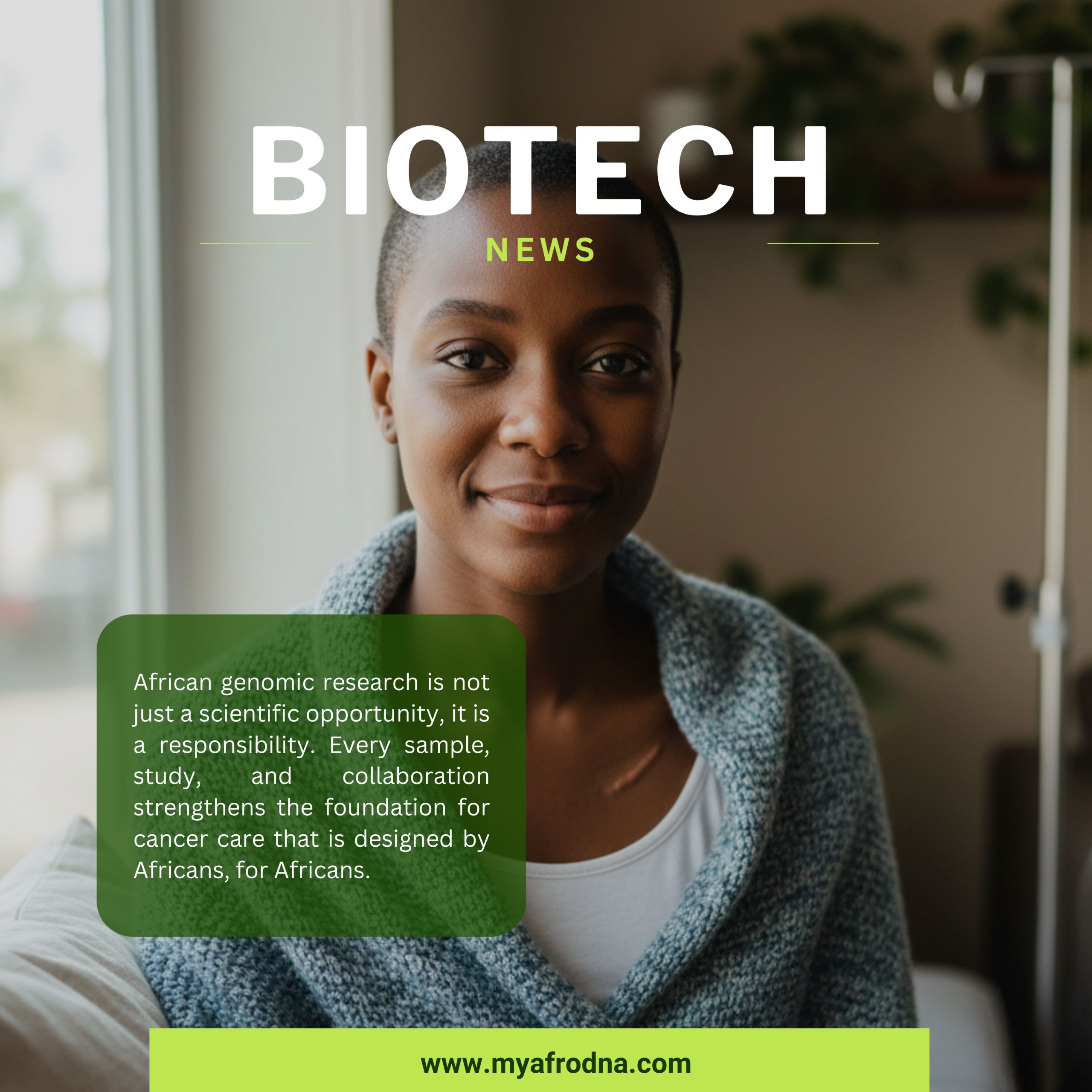
African genomic research is not just a scientific opportunity; it is a responsibility. Every sample, study, and collaboration strengthens the foundation for cancer care that is designed by Africans, for Africans.
Partner with MyAfroDNA today to advance precision oncology and genomic research in Africa.
Source: Nature Africa — Precision oncology specifically for Africa (nature.com)