What if clues to longer, healthier lives are hidden in bat DNA?
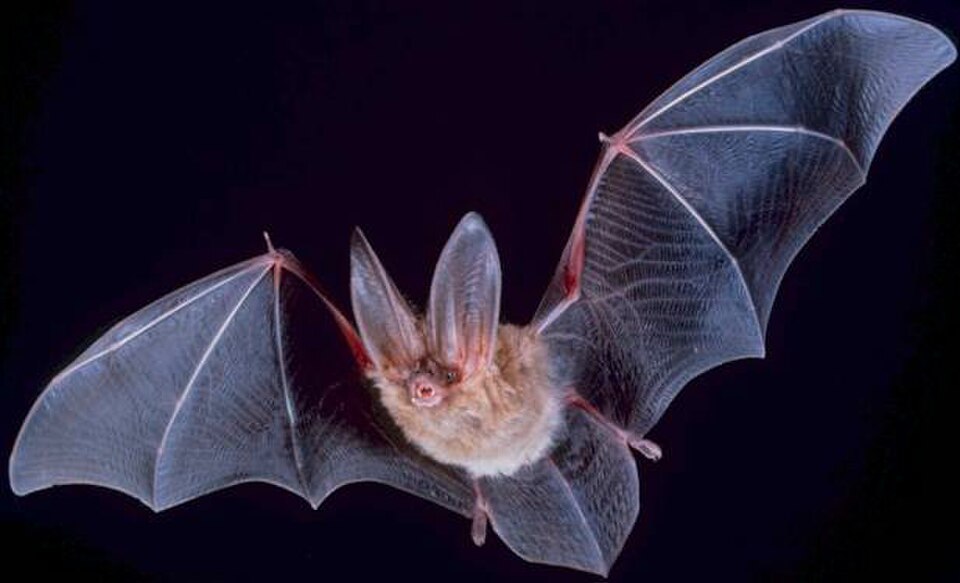
A new study published in Nature has identified genetic patterns in long-lived Myotis bats that could help scientists better understand the relationship between longevity, immunity, DNA damage and disease resistance. Researchers analyzed the genomes of eight Myotis species and found that genes associated with longer lifespans substantially overlap with genes involved in interactions with viruses.
The research was led by Juan M. Vazquez, with Peter H. Sudmant, M. Elise Lauterbur, Lucie Etienne and David Enard among the scientists who jointly supervised the work. The international research team included scientists from the University of California, Berkeley; University of Arizona; University of Vermont; École Normale Supérieure de Lyon; Université de Strasbourg; University of Michigan and other institutions.
The researchers also examined cells obtained from bat wing biopsies. In the longest-lived species studied, the little brown bat (Myotis lucifugus), severely damaged cells showed increased activity in genes associated with cell death, rather than primarily activating DNA-repair mechanisms.
This suggests that some long-lived animals may protect themselves not only by repairing damaged cells, but also by efficiently eliminating cells that have become too damaged to safely recover. Similar cellular strategies have been observed in other long-lived, cancer-resistant animals, including elephants.
Longevity and viral defense
Another important finding was the overlap between genes associated with longevity and genes involved in interactions with viruses.
The researchers found that Myotis bats have undergone strong evolutionary selection in genes associated with DNA viruses. Their findings add to growing evidence that the evolution of immune defenses, viral interactions and mechanisms for maintaining cellular health may be closely connected.
The study does not mean that scientists have discovered a way to extend human lifespan. Instead, it provides another example of how comparative genomics can reveal biological strategies that may eventually help researchers understand human aging and disease.
For African genomics and biotechnology, the research also highlights the value of studying the genetic diversity of different species. Understanding how organisms naturally adapt to disease, environmental pressures and cellular damage can generate new questions for biomedical research.
MyAfroDNA connects research with the molecular tools that make discoveries like these possible. From DNA isolation and PCR to sequencing and molecular testing, reliable laboratory workflows are essential for studying biological samples and generating genomic data.
Interested in molecular testing or sequencing for your research project? Contact MyAfroDNA to learn more about our services.
Source: University of California, Berkeley / Nature
Research paper: Insights into longevity and virus-driven adaptation from Myotis bat genomes
DOI: 10.1038/s41586-026-10932-7