

A newly identified genetic mutation in malaria parasites circulating in Zambia is raising concerns about the future effectiveness of one of Africa’s most important malaria treatments. Researchers say the discovery highlights why genomic surveillance is essential to protecting public health across the continent.
For millions of Africans, malaria has gone beyond being a seasonal illness. It remains one of the continent’s most persistent public health challenges, affecting households, healthcare systems and national economies.
According to the World Health Organization’s World Malaria Report 2025, an estimated 265 million malaria cases and 579,000 deaths occurred in the WHO African Region in 2024. This represented approximately 94% of global malaria cases and 95% of malaria deaths. Children under five remain particularly vulnerable.
Although prevention programmes, insecticide-treated nets, improved diagnostics, vaccines and antimalarial medicines have contributed to controlling the disease, another challenge is emerging: the ability of malaria parasites to develop resistance to medicines.
Now, research from Zambia has added a new dimension to this concern.
Scientists identify a previously unknown malaria mutation in Zambia
In a study published on 7 October 2026 in The Lancet Infectious Diseases, an international research team reported a previously undocumented genetic mutation, known as Pfkelch13 A724E, in Plasmodium falciparum, the parasite responsible for the deadliest form of human malaria.
The study, titled Evidence of artemisinin partial resistance in Zambia: a molecular epidemiology and clinical study, investigated malaria parasite samples collected across Zambia and examined whether genetic variations were associated with slower responses to antimalarial treatment.
The researchers found the A724E mutation in approximately 11.7% of 1,949 parasite samples analysed nationwide. However, its prevalence was considerably higher in Western Province (52%) and North-Western Province (51%).
In Kaoma, Western Zambia, the mutation’s prevalence increased from undetected levels in samples collected in 2018 to approximately 79% in 2026.
What does this mutation mean for malaria treatment?
The discovery is particularly concerning because the mutation is associated with partial resistance to artemisinin, a key component of artemisinin-based combination therapies (ACTs), which are widely used to treat uncomplicated malaria.
Artemisinin works rapidly to reduce the number of malaria parasites in the bloodstream, while a partner medicine helps eliminate the remaining parasites.
To investigate the mutation’s clinical significance, researchers monitored patients receiving artemisinin-based combination therapy at Kaoma District Hospital.
The findings showed that 28% of patients carrying parasites with the A724E mutation still had detectable parasites in their blood three days after treatment began. In comparison, none of the patients carrying the normal gene variant remained parasite-positive at that point.
This suggests that parasites carrying the mutation may clear more slowly following treatment.
Importantly, partial resistance does not mean that malaria treatment has stopped working. The partner drug in combination therapy may still be effective. However, slower parasite clearance could place additional pressure on that medicine and potentially create conditions for further resistance to develop.
The researchers also found evidence that the mutation likely originated in one location before spreading across western Zambia.
Why genomic surveillance matters
The discovery reinforces the importance of genomic surveillance in malaria control.
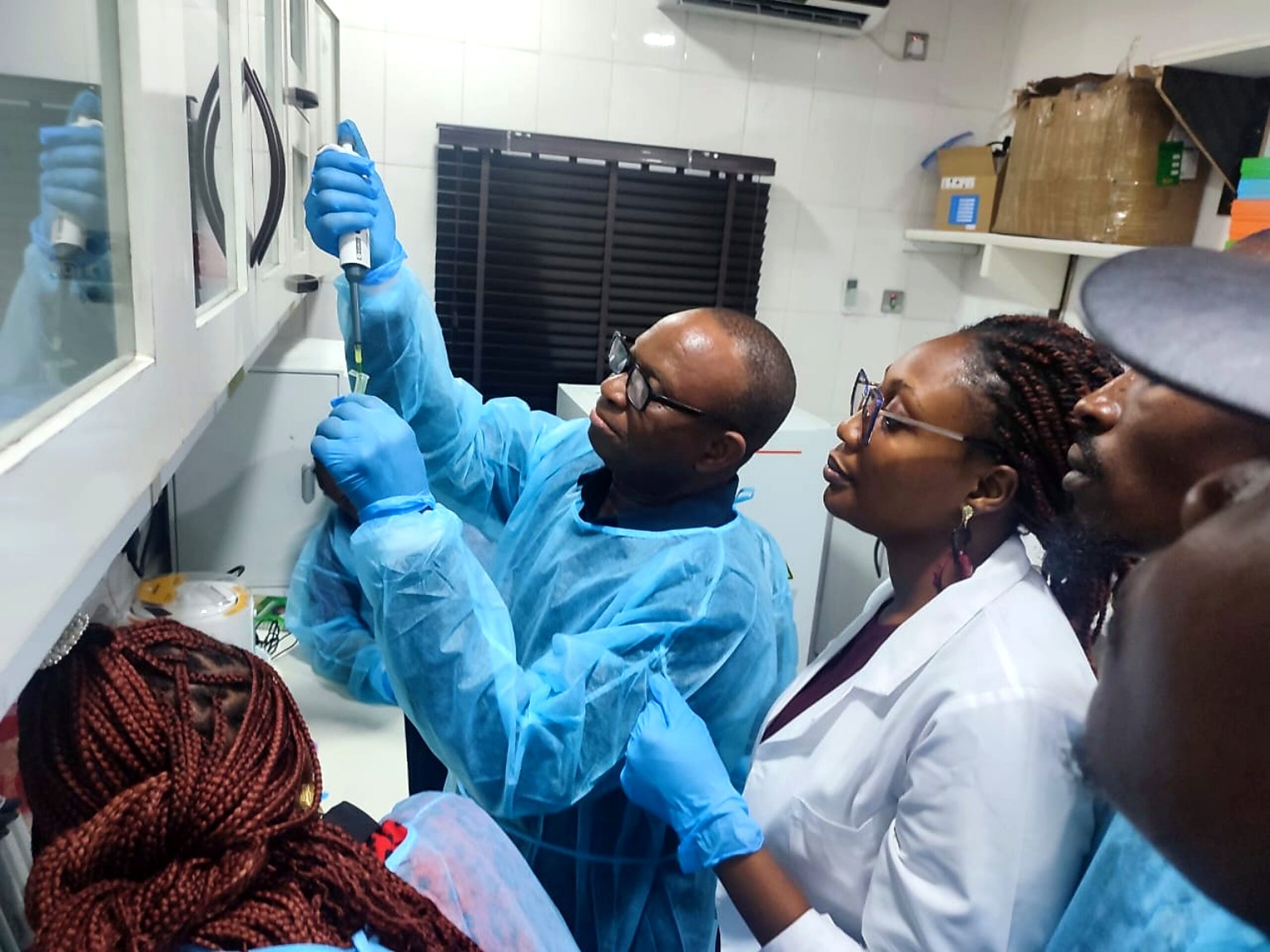
By examining the genetic makeup of pathogens, scientists can identify mutations associated with drug resistance, monitor their spread and provide evidence that helps public health authorities respond to emerging threats.
The research involved scientists from the Max Planck Institute for Infection Biology, PATH, the Zambia National Public Health Institute, Zambia’s National Malaria Elimination Centre and other international research institutions.
Led by Jason A. Hendry and involving researchers including Mulenga Mwenda, the collaboration demonstrates the value of combining local research capacity, clinical evidence and advanced genomic analysis.
The findings do not establish widespread treatment failure in Zambia. Further clinical investigations and laboratory studies are needed to understand the mutation’s implications and monitor its spread.
For Africa, however, the message is clear: fighting malaria requires more than developing medicines. It also requires continuously monitoring how the parasite evolves.
As malaria parasites change, genomic research will be essential to keeping treatments effective and strengthening the continent’s public health response.
Source: Mwenda et al. (2026), The Lancet Infectious Diseases. Read the original research paper.